
Stress often creeps in with those everyday pressures we all face, whether it’s about meeting deadlines, financial worries, or juggling a packed schedule. It’s that rush of adrenaline you feel when faced with a challenge. A pinch of stress can sometimes be a motivator, but too much? That’s when things start going south.
Burnout, on the other hand, hits differently. It’s not just about feeling a bit overwhelmed. Imagine your energy levels tanking completely, emotional responses flatlining, and a sense of detachment setting in. Burnout is more about long-term emotional exhaustion and a sense of reduced personal accomplishment.
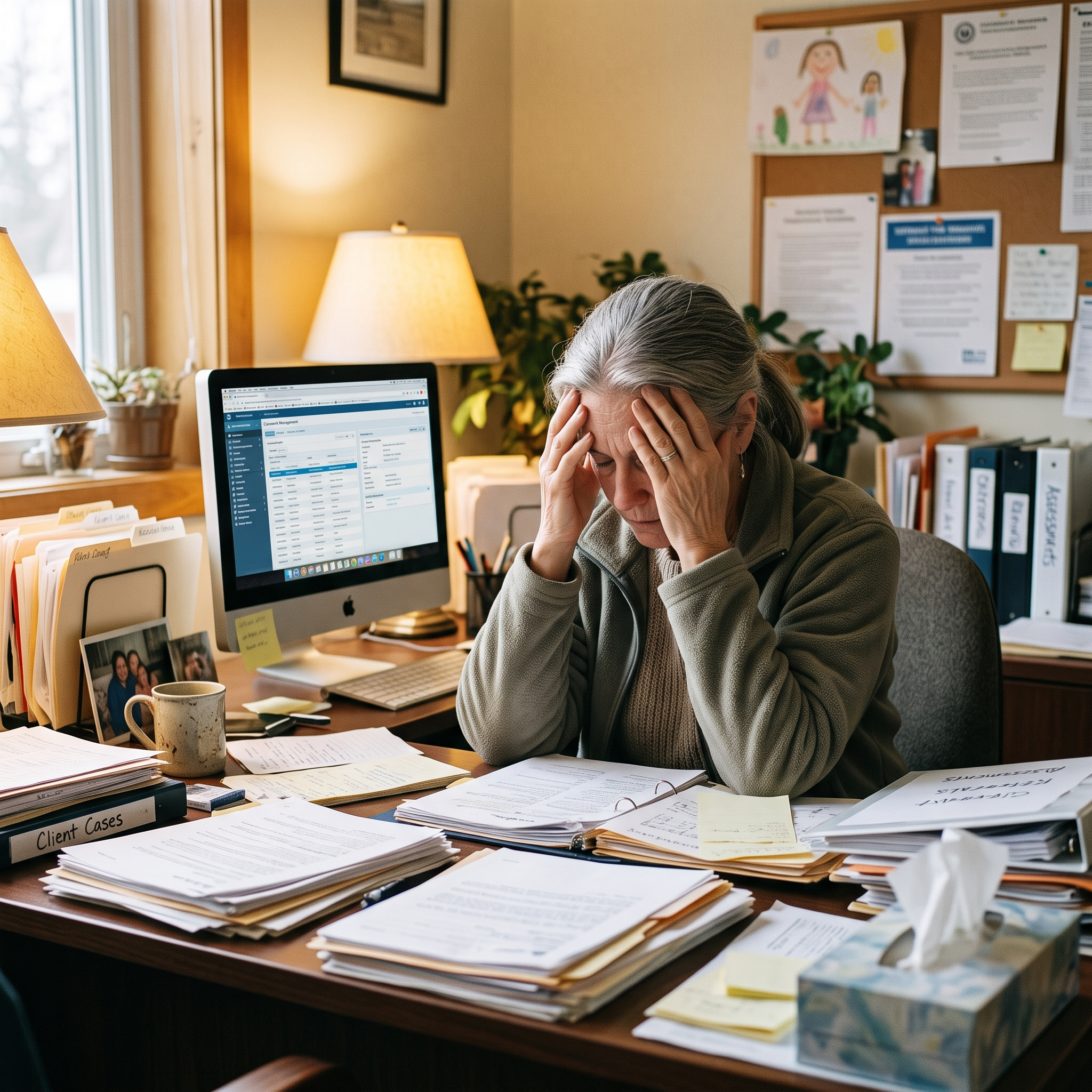
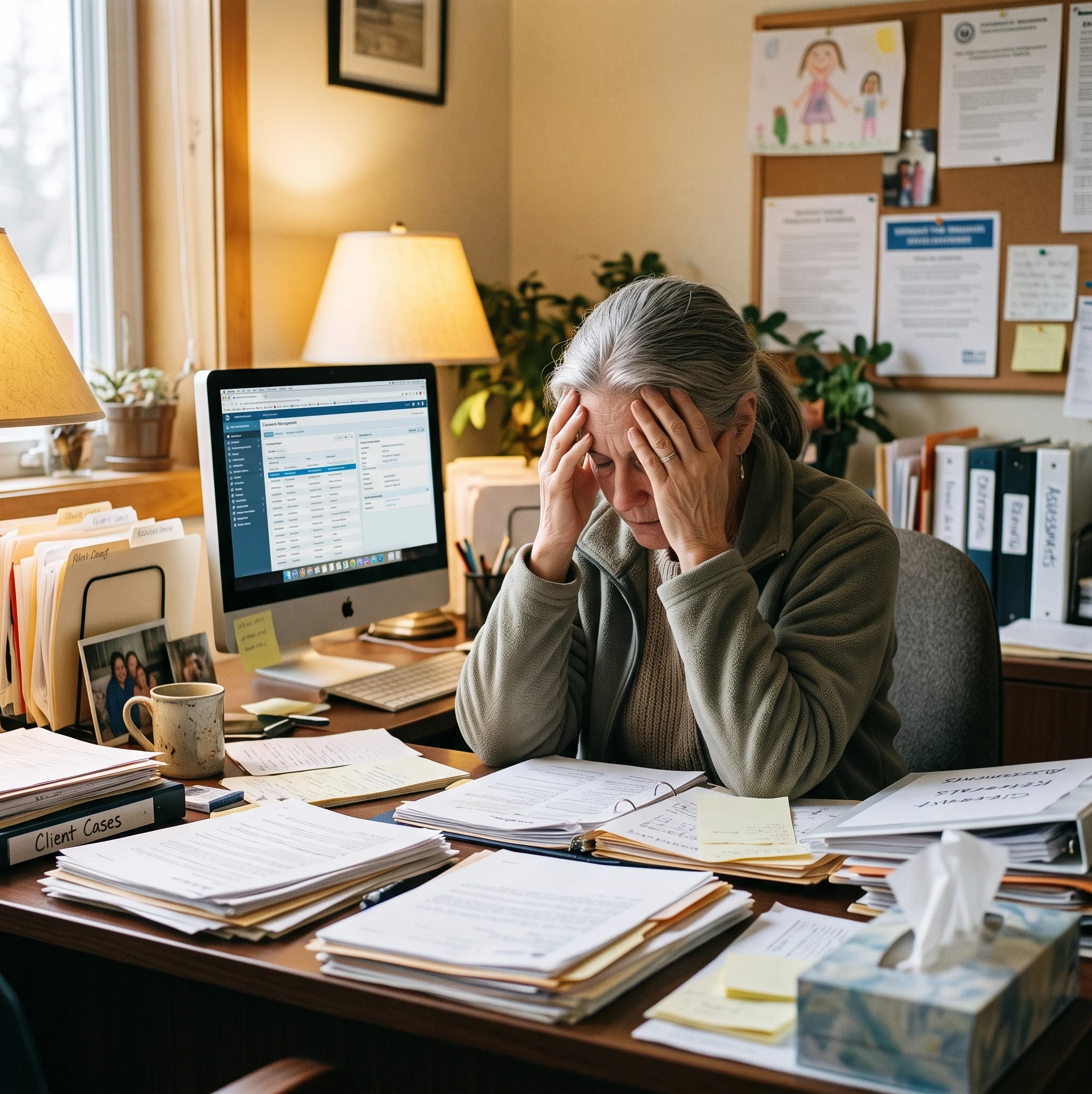
Your body reacts to stress and burnout in unexpected ways. Stress can trigger changes like heightened alertness, mood swings, or a racing heart. For me, stress was a long term slow burn. Take 2 teenage boys who are angry with me for divorcing their father. Add to it a degree in social work and an initial very stressful job with children and family services, having to work away from home, moving home multiple times and the onset of auto immune thyroid problems. Life carried on, the job was incredibly stressful but I could not afford to retire, especially after my husband had to retire due to ill health so i was the only earner in the home. I carried on for 28 years and then started to feel the symptoms of burnout.
With burnout, the body’s signals are more like warning lights on a breakdown: chronic exhaustion, headaches, and even self-doubt. It’s crucial to spot these so you can steer clear of worse.
Everyone’s stress and burnout story is unique. Some might feel more anxious and stressed, while others are more prone to burnout. Work environments, support networks, and personal coping mechanisms heavily influence these experiences. Recognizing this diversity helps tailor approaches to manage each effectively.
Recognizing the Signs and Symptoms
Noticing stress usually starts with feeling extra cranky or having trouble sleeping. You might find your mind racing or your body tensing up, especially during heated moments or when pushed around by life’s hassles.
Burnout isn’t as in-your-face, but the signs paint a gloomy picture. There’s this constant feeling of pure exhaustion, like no amount of rest hits the reset button. “I can’t do this anymore,” becomes a recurring thought. Emotional numbness and dragging into work with dread become regular guests at your doorstep. I moved to a new local authority a couple of years before my retirement and quite honestly, it was the worst local authority I had ever worked for. Towards my retirement, I just felt like I didn’t know how to do my job anymore. I would come across situations and think ‘I should have known that’ but I could not bring it to the forefront of my mind. At my 66th birthday and still with 3 months to go until retirement, I just could not do it any more. I had physically and mentally had enough.
When stress levels eclipse manageable, burnout may hover on the horizon. Pay attention to any drop in productivity, an it-is-what-it-is attitude replacing your usual drive, or irritability that lingers like your favorite cologne.
While stress can make you feel buzzy and overwhelmed, burnout is more about being swept up and spat out by work or other responsibilities. It’s vital to keep these distinctions in check, so one doesn’t blindside you for the other.
Consequences and Long-term Impacts
Stress can quickly pile up and affect more than just your mood. Over time, unchecked stress might chip away at your mental health, causing anxiety to grow or leading you down the road to depression. It even affects physical health with issues like headaches or high blood pressure becoming unwanted companions.
Living with burnout feels like you’re dragging a lead weight into every room you enter. This can tarnish your work life, making you less productive or disengaged. Relationships suffer too, as the enthusiasm and energy needed to nurture them fade away.
The stakes get higher when burnout persists. Chronic stress and unchecked burnout can escalate into serious health concerns, potentially triggering immune disorders or heart issues. Think of it as a whisper from your body turning into a cry for change. I believe my auto immune thyroid problems started after I had qualified as a social worker.
Experts back these consequences with research, pointing out that both stress and burnout share the power to significantly derail your daily experiences and long-term health. Understanding these impacts not only shines a light on why it’s important to manage them but also prepares you to tackle them head-on.
Practical Strategies for Prevention and Recovery
Beating stress starts with the small stuff. Activities like going for a brisk walk or kicking back with a short meditation session work wonders. These moments offer your mind and body a chance to find steady ground again.
When burnout’s looming, setting clear boundaries around work and personal time can help. Turn off work notifications after hours or balance your social calendar. This keeps burnout from carving away at your energy reserves. Although we live in 24/7 times, we are not paid to be perpetually on duty.
Don’t shy away from reaching out. Whether it’s a chat with a good friend or seeking help from a mental health professional, sharing your experiences can lighten your load significantly. Support is out there, ready to buoy you up.
For stress and burnout, community and family can play a pivotal role. Lean on them as sounding boards, or escape with them for some rejuvenating downtime. This sense of connection can be your secret weapon against overwhelming feelings.
In the workplace, be an advocate for creating environments where stress is managed, and burnout becomes less of a threat. From flexing work hours to open-door policies, even small policy tweaks can make a big difference in how stress is handled.