
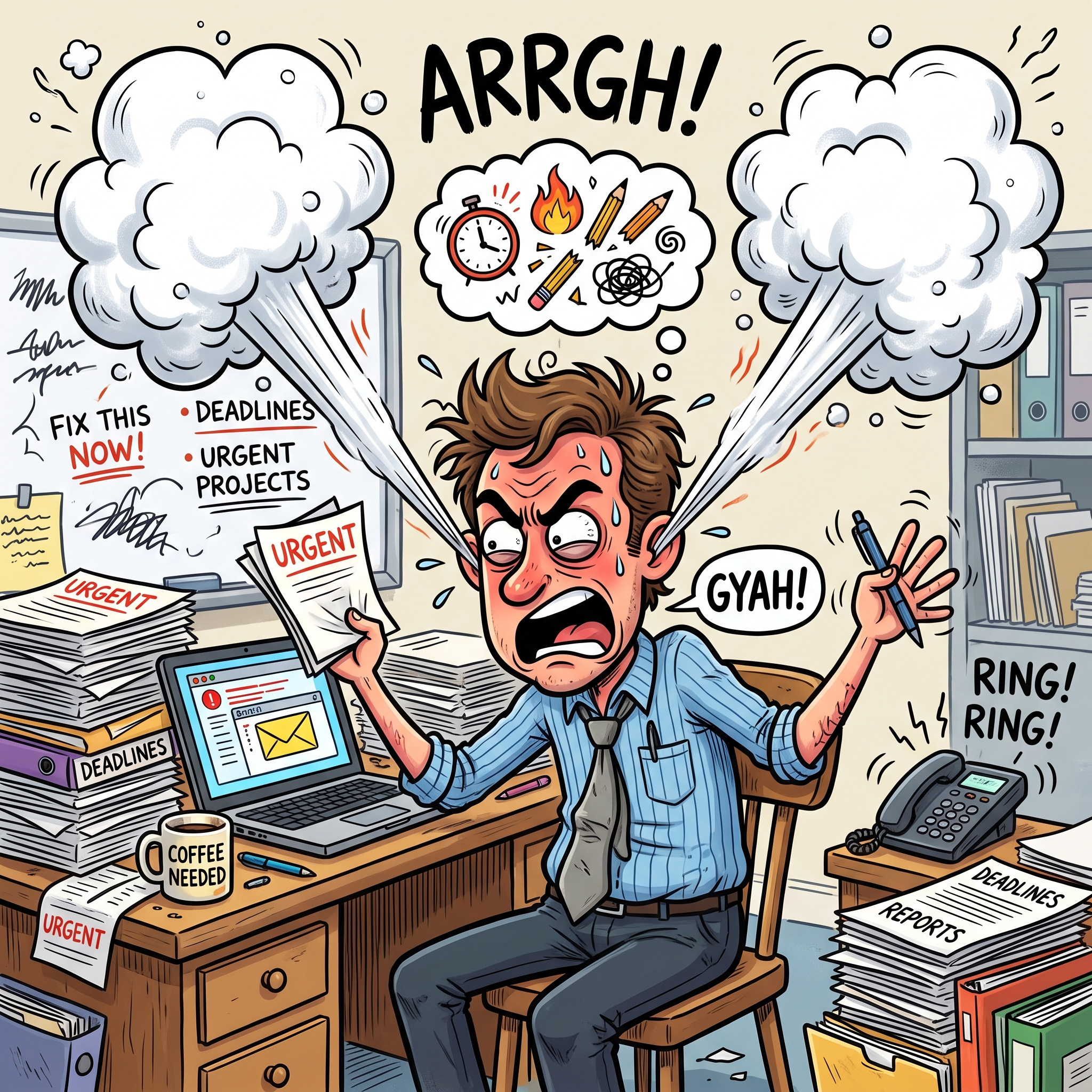
Workplace stress pops up for just about everyone at some point, whether you’re juggling projects in a fastpaced office or dealing with tricky coworkers. Stress at work is more than just feeling busy or tired—it’s about that ongoing tension or anxiety that makes it hard to focus, zaps your energy, and can even leave you lying awake at night wondering how to handle it all. Figuring out where this stress comes from and what you can do about it is really important for feeling healthier, calmer, and more capable on the job.
What Is Workplace Stress?
Workplace stress usually shows up when the demands of your job pile up beyond what feels manageable. This might be driven by tight deadlines, high expectations, or things feeling out of your control. Unlike a little bit of nervous energy before a big meeting (which can actually help you perform better), workplace stress sticks around, builds up over time, and can lead to burnout if nothing changes.
It can look different for everyone. For some, it’s constant worrying; for others, it might be snapping at colleagues without meaning to. If you find yourself dreading work all Sunday evening or feeling on edge all the time, you’re not alone. Stress is one of the top reasons people start looking for a new job or even leave the workforce.
Common Causes of Workplace Stress
While every job is different, certain circumstances are pretty common triggers. Connecting these causes back to the points above can help pin down where your own stress might be coming from:
Most workplace stress isn’t just about the amount of work—it’s also about how that work gets done and who you have to deal with day in and day out. Here are some really common sources of stress I’ve heard about and even experienced myself:
- Heavy Workload: Feeling constantly buried under emails, back to back meetings, and projects that never quite get finished is exhausting. When you always feel behind, it’s easy to become overwhelmed and lose motivation. Having more tasks than time feels impossible. This often leads to working late, skipping breaks, or multitasking so much that nothing gets done well. The goalposts can also keep moving, so just as you finish one set of tasks, more get piled on.
- Lack of Control Over How Work Is Done: Maybe you’ve been told exactly how every task should be done or your workflow is often interrupted by switches in direction from above. Not having any say in processes can be frustrating, especially when you know a better way to tackle things. Not being able to make decisions or adjust your schedule can leave you feeling powerless. Processes may seem inefficient, but if you can’t make changes or suggestions, stress builds up fast.
- Poor Support from Managers or Colleagues: Managers who aren’t available, don’t listen, or avoid tough conversations leave employees feeling unseen. A lack of clear feedback means you never know if you’re on track, and not being able to ask for help leaves a lot of stress simmering under the surface. When you don’t feel supported, whether it’s because feedback is rare, help is hard to find, or your team is always busy, it’s easy to feel isolated. Even friendly workplaces can sometimes make people feel alone if communication isn’t great.
- Unclear Roles and Boundaries: When your job description keeps changing or you end up picking up tasks that aren’t really yours, boundaries get blurry. Not knowing exactly what you’re responsible for can make every day feel like a guessing game. Getting emails about issues you weren’t told about, or being given vague instructions, means you never feel on solid ground. If your role isn’t clearly defined, you might end up working outside your area of expertise, causing plenty of stress and uncertainty.
- Dealing with Bullying, Conflict, Isolation, and Micromanagement: When managers or coworkers check up on every little detail, refuse to trust your work, or push you out of decisionmaking, your confidence takes a hit. Dealing with people who are rude, aggressive, or cliquish at work just piles on pressure.If you’re put down in meetings, left out of important conversations, or your every move is monitored, that kind of stress can really take a toll. These situations often go unspoken but can be some of the hardest to deal with.
How Does Workplace Stress Affect You?
When workplace stress lingers, it affects more than just your work. It can leak into every part of your life. Here’s how it might show up:
- Mental Health: Anxiety, depression, mood swings, and feeling rundown mentally are just a few signs. You might also notice it’s harder to concentrate or that you forget things more easily than usual.
- Physical Health: Chronic stress has been linked to headaches, stomach issues, insomnia, high blood pressure, and even chest pain. Over time, it can contribute to bigger health problems like heart disease.
- Relationships: Stress can make you more irritable, impatient, or withdrawn, which can impact relationships with coworkers, friends, and family. You might find yourself snapping at loved ones or just wanting to be left alone.
- Work Performance: Errors happen more often, you may procrastinate, or you just don’t feel engaged. Motivation and creativity both tend to drop when stress goes unchecked.
Additional Challenges Related to Workplace Stress
In today’s everchanging work environment, technology can both help and hurt when it comes to stress. With smartphones, laptops, and instant messaging apps, the line between work and personal life is blurring more than ever. Many people feel pressure to always be available, responding to emails late at night or on weekends. This “always on” mentality keeps stress lingering, and downtime becomes harder to get.
On top of that, remote or hybrid work arrangements add a new twist. Some folks love the flexibility, while others feel disconnected or find it tough to separate work from home life. Communication hiccups, lack of face-to-face interactions, and the challenge of creating a dedicated workspace can all add up, especially if expectations aren’t made clear.
Tips for Managing and Reducing Workplace Stress
Getting a handle on stress doesn’t mean making huge changes overnight. Small, practical tweaks can make a big difference. Here’s what has worked for me and others I know:
- Prioritize and Organize: Breaking big tasks into smaller steps and using todo lists or digital planners helps keep things manageable and shows progress, even when the list feels long.
- Set Realistic Boundaries: Learn to say no when needed, or ask for clarity on what’s most important. If possible, stick to work hours to protect personal time. Even shutting off notifications can help you unwind at home.
- Seek Support: Talking to supervisors, trusted coworkers, or HR about challenging workloads or unclear roles can make a difference. Sometimes, just saying something out loud relieves a lot of pressure.
- Focus on What You Can Control: While not everything at work can change, focusing on how you manage your time and breaks can help. Developing a quick routine like stepping outside for fresh air or doing deepbreathing for a few minutes adds up.
- Look After Your Health: Even basic selfcare like a short daily walk, a good night’s sleep, or eating well can help your mind and body process stress better.
- Take Breaks and Disconnect: Give yourself permission to step away from your desk, take brief walks, or listen to some calming music during the day. These breaks, even if short, help you reset and lower your stress. Try not to check work emails on your days off or after work hours to reclaim some personal time.
FAQs About Workplace Stress
Here are some common questions I get about workplace stress, along with some honest, down-to-earth answers.
How do I know if my job is making me too stressed?
if you’re always tired, dreading work, unable to concentrate, or your health is slipping, chances are your job stress is out of balance. Write down what’s bothering you for a few days and you’ll spot patterns that can help you figure out what’s causing the most trouble.
Can I talk to my manager if I’m stressed?
Absolutely. It’s best to mention specific things, like unclear expectations or workload size, in a calm, factual way. Most managers appreciate honest communication, especially when you bring ideas about what would help.
Does workplace stress ever go away on its own?
Sometimes things resolve if a project ends or staffing improves, but most of the time, ongoing stress needs to be talked about and addressed. Taking small steps early makes it way easier to handle.
Key Points to Remember About Workplace Stress
Tackling workplace stress is really about figuring out what’s bothering you, looking for areas where small changes are possible, and talking to the right people. Recognizing things like a heavy workload, poor support, unclear roles, and dealing with negative work behaviors isn’t a weakness, it’s the first step to doing something about it. With a bit of honesty (and maybe some trial and error), you can start to feel more comfortable at work and in your own mind.
Finding tools and support that work for you, whether it’s setting boundaries, finding someone to talk to, or just taking some time to recharge, can make even tough jobs feel more manageable over time. Remember, stress at work is common, but you don’t have to deal with it on your own—reaching out and experimenting with small changes can set you on a better path, both in your career and your personal well-being.